


19 Oct UISD Plans Special Education Job Fair, Weighs Bonuses for Teacher Aides
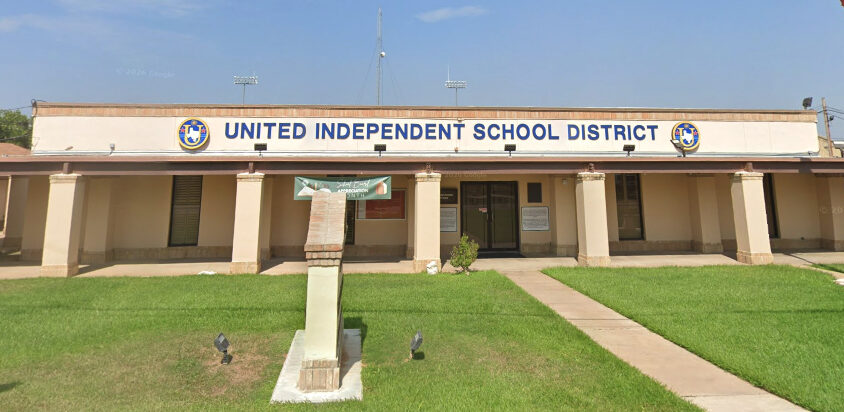
United ISD is weighing retention bonuses for aides and planning a job fair aimed at special education hires as it works to fill 22 vacancies, most of them aide jobs for special education students, according to the Laredo Morning Times.
David Canales, the associate superintendent of human resources, told trustees at a special-called meeting Oct. 14 that campuses are short-staffed in three areas: teacher aides, aides for special education and custodians. Sixteen of the openings are special education aides, with three each for general teacher aides and custodians. Canales said the count moves often as positions fill and others open.
Dr. Gerardo Cruz, the superintendent, said the district will ask trustees to sign off on payments for aides who remain until the school year ends. Elementary aides who meet set requirements would receive $500, and secondary aides who commit to the job would receive $650. Since money for the vacant jobs is already in the budget, Cruz said, the payments would not push spending higher.
The job fair is set for Oct. 28, though no site or hour had been set at the meeting. Canales said the event is limited to special education because those workers are getting tougher to recruit. The district is also developing ways to ease its aide and substitute shortages.
For now, substitutes are covering many of the openings, especially one-to-one aide jobs, because there aren’t enough candidates in the hiring pool, Canales said. He said plenty of substitutes are on call, but their availability varies, with some working part time and others every day. The aide pool shifts as applications arrive and principals vet candidates.
Claudia Dovalina-Guzman, UISD’s executive director of special education, said substitutes placed in special education classrooms must first earn Crisis Prevention Intervention, or CPI, certification. The training covers de-escalation and ways to avoid physical restraint, which she said is a last resort used only as the law allows. She added that some substitutes eventually move into full-time district jobs.
The district is also weighing whether to teach substitutes to handle hygiene and personal care for students receiving special education. Cruz said the Health Services Department would do that training, and families would be told whenever a trained substitute gives that care.
Trustees raised several concerns. Dianelle Martinez said pay for substitutes might exceed aides’ even though substitutes have fewer duties, and she noted that aides may handle personal care. She asked whether the district’s education rules for special education aides might be worsening the shortage. Canales said state rules call for 48 or more college credit hours for some instructional aide jobs, with alternative routes that let candidates qualify without all of them.
Trustee Michelle Molina pointed to the physical strain on aides, including biting and hitting, and suggested pay tiers based on how demanding each job is. She also proposed keeping protective gear, such as sleeves, on hand rather than having employees ask for it after something happens. Throughout, trustees and staff returned to the importance of steady staffing for students in special education and the downside of depending on substitutes.
No Comments