


06 Nov Laredo Feral Hog Control Program Could Begin by Early December, City Officials Say
Laredo’s feral hog control program could be running by late November or early December, city officials told the City Council on Nov. 2, according to the Laredo Morning Times.
The council gave the last approval needed to bring in an outside contractor to run the effort, while the city buys equipment it will keep once the contract ends. City Manager Joe Neeb said about $175,000 has been set aside for that equipment and that he expects operations to begin in one to two months. “With any luck, we should be up and operating within 60 days,” Neeb said, adding that the city would like to start sooner.
District VI Councilmember Dr. Tyler King said the first-year budget is about $400,000, split roughly evenly between equipment and professional wildlife management services. He said the equipment should arrive in two to four weeks. Officials said the timeline reflects the purchasing process and the arrival of funding under the new budget year, not a policy delay, and staff said work could begin by the holidays if nothing slips.
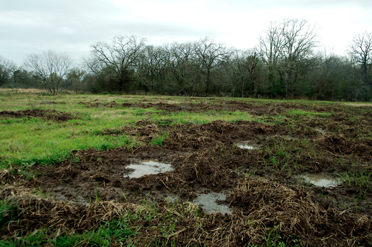
Laredo Animal Care Services, which is leading the program, said in an Oct. 14 news release that the contractor will first fly drones over areas where residents have reported hog activity. That information will guide where traps are placed. The contractor will capture the animals on city land and euthanize them humanely in line with applicable laws. Work will be limited to city-owned or city-controlled areas, including public spaces, drainage areas, infrastructure and rights-of-way. At the council meeting, officials said the early focus will be parks, municipal land and places where hogs find water, and that staff are already using drones and infrared technology to locate activity and prepare bait sites.
The city said it will not trap or remove hogs from private residential or commercial property, so owners remain responsible for problems on their own land. Residents may still report sightings, including on private property, by contacting the city’s 311 system, which helps staff track movement.
King said hogs are among the most frequent and emotional concerns he hears from constituents. He cited damaged yards and residents who avoid walking or running in their neighborhoods in the early morning or at night. “It is a public safety issue. It’s a public health issue,” King said. District VII Councilmember Vanessa Perez asked the city to move quickly, noting that residents have reported repeated property damage costing thousands of dollars and that hogs have wrecked holiday decorations.
After operations start, the city plans a 180-day review. Staff will track reported activity, monitoring and trapping sites, the number of hogs captured and program costs. King said the city hopes to substantially reduce the hog population in the first year and, if that succeeds, may be able to lower the price of later contracts.
The department also encouraged residents to make their yards less appealing to hogs by securing trash, removing pet food and fallen fruit, draining standing water, repairing fences and trimming grass and brush. It advised people to keep their distance from the animals and to keep children and pets away from places where hogs have been seen.
No Comments