
11 Nov RGV SNAP Enrollment Falls as Gonzalez Pushes For Federal Review of Texas Delays
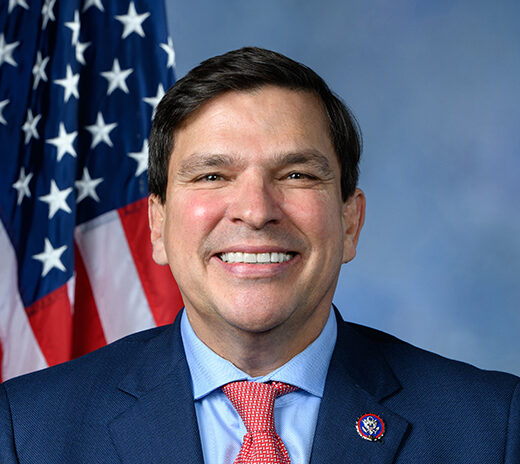
U.S. Rep. Vicente Gonzalez, D-Brownsville, is one of 13 Texas Democrats in the U.S. House asking the U.S. Department of Agriculture to investigate a growing backlog of SNAP applications in Texas, a request that comes as food assistance enrollment has fallen across the Rio Grande Valley, according to the Brownsville Herald.
Texas SNAP participation dropped from 3.4 million in July 2025 to 2.7 million a year later. In Cameron County, the October rolls totaled 35,444 cases and 78,722 eligible individuals, about 18% of the population, versus 42,044 cases and 96,578 individuals, or 22.2%, in June 2025. Hidalgo County’s rolls stood at 74,337 cases and 171,607 individuals, or 18.4%, down from 87,094 cases and 207,544 individuals, or 22.5%. Starr and Zapata counties have historically had the highest shares of residents on SNAP.
Gonzalez joined a letter dated Nov. 5, led by Rep. Joaquin Castro, D-San Antonio, and addressed to Agriculture Secretary Brooke Rollins. His office announced Monday that he had signed on. The letter draws on Texas Health and Human Services Commission figures showing that the number of applications waiting for action climbed from about 3,700 in January to roughly 175,000 by early September. Federal rules generally give states 30 days to process an application and seven days for an expedited one. The lawmakers wrote that Texas now takes a median of 35 days and that 33% of applications miss federal timeliness standards, up from 13% earlier this year.
The members cite two causes. One is the federal budget law enacted July 4, 2025, the One Big Beautiful Bill Act, whose broader work requirements, narrower exemptions and new state cost-sharing, they say, add to the work behind each case. The letter says the commission itself has conceded that the new rules mean each case gets a harder look. The other is Maximus, which runs the commission’s call center under contract. Application assistants told the lawmakers that its workers sometimes give out wrong information, such as telling people to start a new Medicaid application when they could ask commission staff to review their documents, and the letter says needless repeat applications help explain the backlog’s growth.
The lawmakers asked the agency to look into every cause, from federal policy shifts to outside vendors, and to use its enforcement authority to bring Texas into compliance. They requested a report by Nov. 30 on the findings and on how the department will monitor the state’s progress.
Background notes in the offices’ releases point to costs the federal law shifts to states. Texas must cover 75% of SNAP administrative costs starting Oct. 1, 2026, up from 50%. Beginning Oct. 1, 2027, states with payment error rates of 6% or higher will share in benefit costs, and the releases say Texas’ fiscal 2025 rate of 9.34 would mean paying 10% of benefits, about $709 million.
Eleven of the lawmakers, a group that does not include Gonzalez, sent separate letters Nov. 5 on a Medicaid backlog that grew from 1,671 waiting applications in January to 237,505 in early September.
No Comments