


16 Nov Canyon’s Panhandle-Plains Museum Plans July 2027 Reopening After Fire-Safety Closure
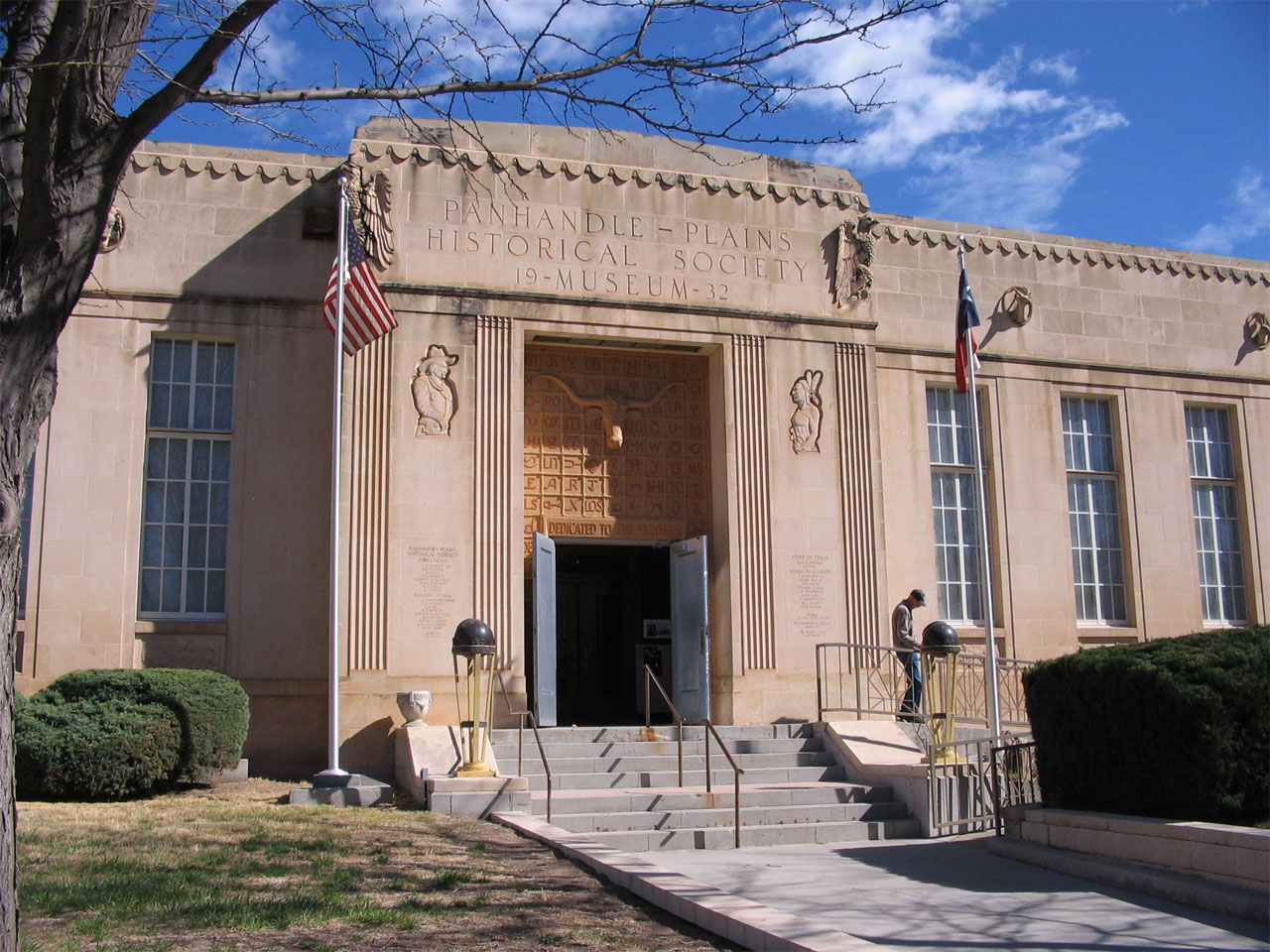
The Panhandle-Plains Historical Museum, shuttered since March 2025 over fire-safety violations, is aiming to reopen in July 2027, officials announced Monday at a joint press conference, per the Amarillo Tribune. Representatives of West Texas A&M, the museum, the Panhandle-Plains Historical Society and Canyon took part.
The plan carries a far smaller price tag than the figure cited at the time of the closure. Buster Ratliff, who directs operations at the Cultural Foundation of the Texas Panhandle, estimated that retrofits, relocated exhibits and added shelving will run $8 million to $10 million, with sprinklers the costliest piece. Relocating the research center, the artifact stacks and the exhibition workshop could add $1 million to $2 million. Then-WT President Walter Wendler had pointed to an engineering estimate of as much as $100 million. Canyon Mayor Gary Hinders said the figures he had heard ranged from $80 million to $100 million. Society President Suzanne Wheeler said the final cost has not been determined.
The state fire marshal’s report, issued in March 2025, named upwards of 150 violations, and Ratliff said staff resolved nearly 70 during the first twelve months of the closure and about 40 since. WT is adding sprinklers in several campus buildings, the museum included, and has assisted with the electrical problems the report flagged. Ratliff described other corrections as simple: unplugging an extension cord feeding a refrigerator, rerouting a printer cable and pushing tables against the walls.
Bigger moves remain. The third-floor research center is headed to WT’s Cornette Library, and the four-floor “stacks,” a storage section closed to visitors, must be cleared. Part of that material will go to a ballroom in Cousins Hall, which WT is upgrading, where it will be kept out of public view. The exhibit shop, home to welding and woodworking equipment and paint and the source of more than 50 violations, will relocate temporarily to the Sybil B. Harrington Fine Arts and Humanities building and share space with the theatre department. Inside the paleontology gallery, crews opened a wall to give visitors a corridor leading to exits, and doors on the way to the STEAM Lab will remain open. Ratliff said setting up exhibits should take several weeks, well under the several months a new exhibit usually requires.
WT interim President Neil Terry asked representatives of the state fire marshal’s office to come back in the spring. “Our goal for the visit was to share our progress to date in addressing fire and life safety concerns from 2025 and to outline our plans to address remaining concerns,” Terry stated in a WT release. A fundraising campaign led by Terry and WT philanthropy officials began Monday, and Hinders added that Canyon intends to contribute money. Texas A&M University System Chancellor Glenn Hegar said in the release that “there’s still money to raise.”
Texas’s biggest history museum holds over 2 million artifacts. Ratliff said employees and students cataloged and digitized the collection during the closure, and some leftover exhibit props and outdated office furniture were auctioned. Society board members have said no mass deaccessioning has taken place. Treasurer Will Miller said any removals follow established museum standards. Ratliff said the collection’s focus has been narrowed to art, geology, paleontology, firearms and Western heritage.
Wheeler said plans for a satellite art museum in downtown Amarillo are still moving forward and “will not, in any way, take away from the museum here in Canyon.”
No Comments