


20 Nov Brownsville’s Texas LNG Seeks to Push Export Deadline to 2032, Citing Years of Litigation
Texas LNG Brownsville LLC is asking the U.S. Department of Energy for five more years to start exporting liquefied natural gas from its planned terminal at the Port of Brownsville, according to a letter the company sent to the agency.
The company wants its deadline moved from Feb. 10, 2027, to Feb. 10, 2032. In the letter, Texas LNG said six years of lawsuits and remand proceedings over its federal and state approvals delayed the project. Those included two challenges before the U.S. Court of Appeals for the D.C. Circuit to the Federal Energy Regulatory Commission’s authorization and a third suit over an air permit the Texas Commission on Environmental Quality issued in May 2020. The company said the last of them concluded this January.
Texas LNG noted that no court ever formally suspended or blocked the FERC authorization. Even so, it argued, the open legal questions made it harder to line up the financing and customer contracts needed to reach a final investment decision, the point at which construction can be approved. It also pointed to earlier instances in which the Energy Department granted extensions for projects held up by regulatory delays.
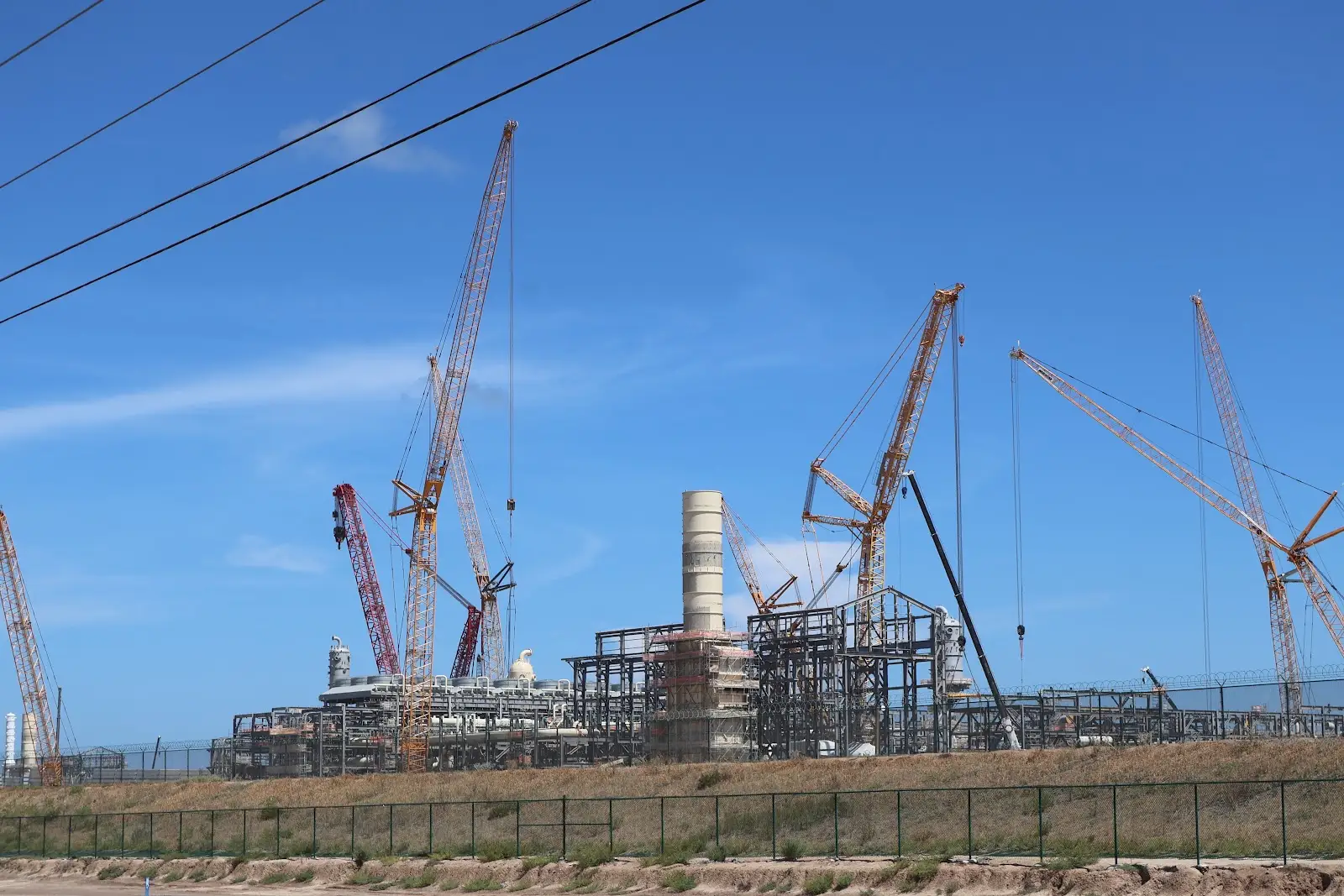
Glenfarne Energy Transition owns and runs the project, which would occupy 625 acres on the north side of the Brownsville Ship Channel, between the Rio Grande LNG site and Port Isabel. Its planned capacity is 4 million metric tons of LNG per year. By comparison, Rio Grande LNG, already well into construction on 1,000 acres nearby, is planned for 48 million metric tons a year, and its initial 18-million-ton phase is expected to begin producing early in 2027. Gas for both would be piped from Permian Basin and Eagle Ford supplies.
Texas LNG has said it expects production to begin around 2030. Glenfarne announced July 3 that Kiewit Energy Group Inc., the project’s engineering, procurement and construction contractor, was given a limited notice to proceed that lets it begin ordering equipment with long delivery times and start engineering and geotechnical work. On July 14, Glenfarne said HPS Investment Partners, part of BlackRock, was leading a $500 million investment aimed at early construction and continued development.
No Comments