
11 Nov Hotel Developer’s Lawsuit Over $1.5 Million Settlement Now Includes Corpus Christi, Type B Board
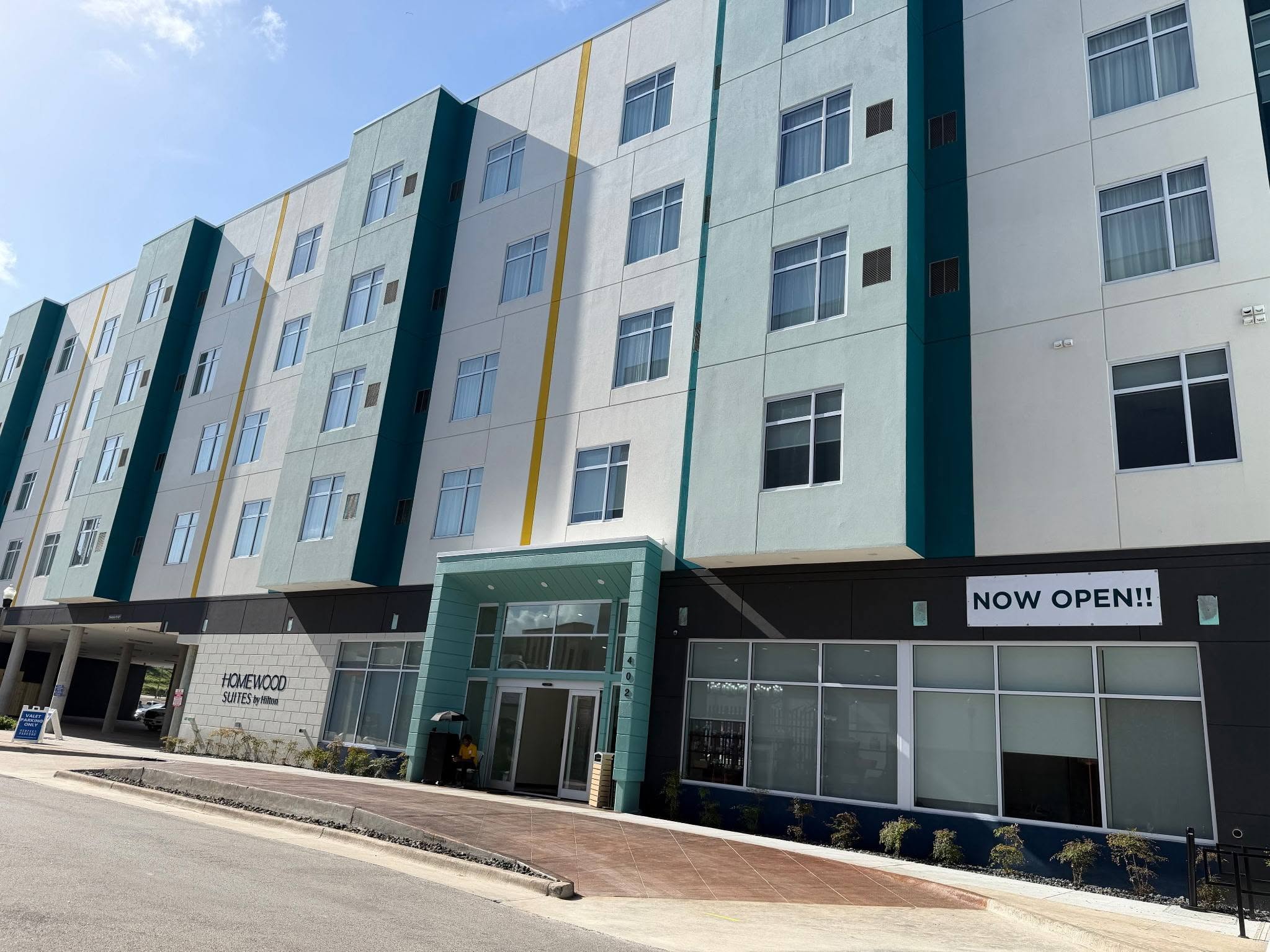
A hotel developer’s lawsuit over a $1.5 million settlement payment that was never made now names the city of Corpus Christi and the economic development board known as Type B as defendants alongside Peter Zanoni, the city manager, according to the Corpus Christi Caller-Times.
Elevate QOF LLC, the developer of the new Homewood Suites hotel downtown, sued Zanoni alone in August. A revised petition filed in October accuses the board, the city and Zanoni of breaching a contract. Zanoni is a defendant in his official capacity only.
The petition says the board, formally the Corpus Christi B Corp., is “contractually obligated to pay Elevate $1.5 million and has directed that payment be made,” but that city officials “prevented the B Corporation from performing that obligation.” It also claims the city, through City Council action, “retaliated against Elevate for exercising its constitutionally protected right to petition the courts for redress.” The Caller-Times described that claim as a reference to the council’s Aug. 25 vote to reject the payment and pull support from the original incentive agreement.
Elevate is asking for a declaratory judgment, attorney’s fees and the $1.5 million. It also wants the court to decide whether the city can step in later with oversight power to stop the board from honoring a commitment it had already made. According to the company, it put over $28 million into the project, ran up upward of $2 million in reimbursable costs, completed building and opened the hotel.
Elevate’s attorneys accuse Zanoni of overstepping his role and impeding the payment the board ordered. Soon after the board signed off on the settlement, Zanoni said he lacked the power to issue the payment and wondered whether the council would have to approve it. In a Sept. 21 court response, he denied Elevate’s allegations, cited governmental immunity and argued that the board’s settlement agreement was not “valid and enforceable.”
The council has maintained that the settlement needed its approval. A majority concluded in May that Elevate was in default and sent a letter alleging “misleading material representations made to the Type B Corporation.” The board later rejected that statement publicly.
The city attorney’s office has been recused because of a conflict, officials said, so the council voted Nov. 10 to earmark $100,000 from Type B money so the board can hire its own lawyer. Stephen McMains, the attorney representing the city, said that day he expects to file an answer Nov. 16 and that the parties will keep working toward a resolution. A reply to the claims involving the board is expected Nov. 23, officials said. At a Nov. 9 session, board members did not discuss the case, saying they were unable to.
The dispute traces to a 2024 contract between Elevate and the board for a $2 million tax incentive package. Elevate could have received up to $400,000 a year for five years if it met deadlines and criteria tied to job creation and infrastructure work, including ground-floor retail, open public areas and outdoor dining, city records show. When the board voted for the $1.5 million settlement Aug. 10 to end that contract, officials said Elevate had yet to get any of the annual installments. In a resolution that day, board members wrote that the developers were in “substantial compliance.” Critics contend that Elevate misled officials, and company officials have rejected claims of wrongdoing or deliberate misstatement.
The incentive agreement is also tied to a separate suit by Ajit David, a rival developer, who sued the city and, afterward, Mayor Paulette Guajardo roughly five months following the agreement’s finalization. He asked a judge to declare the agreement void, claiming that Elevate’s paperwork to the city had been doctored. The council approved a settlement of that case Aug. 25, with the city paying David $450,000 in attorney’s fees to resolve it. Board members have said they brokered the Elevate settlement to speed resolution of David’s case, since mediation was planned to begin the same day. In all, no fewer than three lawsuits are tied to the downtown Homewood Suites development and its incentives.
The Type B board oversees economic development deals funded through a share of sales tax approved by voters. It typically approves contracts and sends them to the council for affirmation. Council members appoint its members, but the two bodies are technically separate, and the board was Elevate’s sole counterparty to the 2024 contract.
No Comments