


17 Nov Val Verde County Reports Fifth Screwworm Case as Quarantine Zone Extends Into Terrell County
Val Verde County now has five animal cases of New World screwworm, and state officials have extended a quarantine zone to include part of neighboring Terrell County, according to Texas Animal Health Commission orders and a Texas Division of Emergency Management report.
A Nov. 9 commission order states that a sheep in Val Verde County tested positive on Nov. 8. An earlier quarantine order was issued after a bovine tested positive in the county Oct. 21. The modified order creates Infested Zone 24.A, which covers parts of Val Verde and Terrell counties.
As of 2 p.m. Nov. 15, the emergency management division’s situation report counted five affected animals in Val Verde. Three are listed as positive, including cattle and sheep, while the other two are inactive and involve one sheep and one goat. The report counts animals, not individual larvae.
Inside the zone, no warm-blooded animal can be taken out without the commission’s advance authorization. Animals that leave must be inspected, receive any required treatment and carry a movement permit or certificate. Hides, carcasses and body parts that could carry the pest are subject to the same inspection and treatment before leaving. These rules apply only to mapped areas of each county, and property owners can find their location on the state’s online zone map.
Cases elsewhere in the region have led to further orders. In Terrell County, one bovine was found infested Nov. 11 and two sheep Nov. 13, prompting a Nov. 14 order for parts of Terrell and Brewster counties. A separate Nov. 10 order covers parts of Crockett, Irion and Reagan counties after a Reagan County bovine was infested.
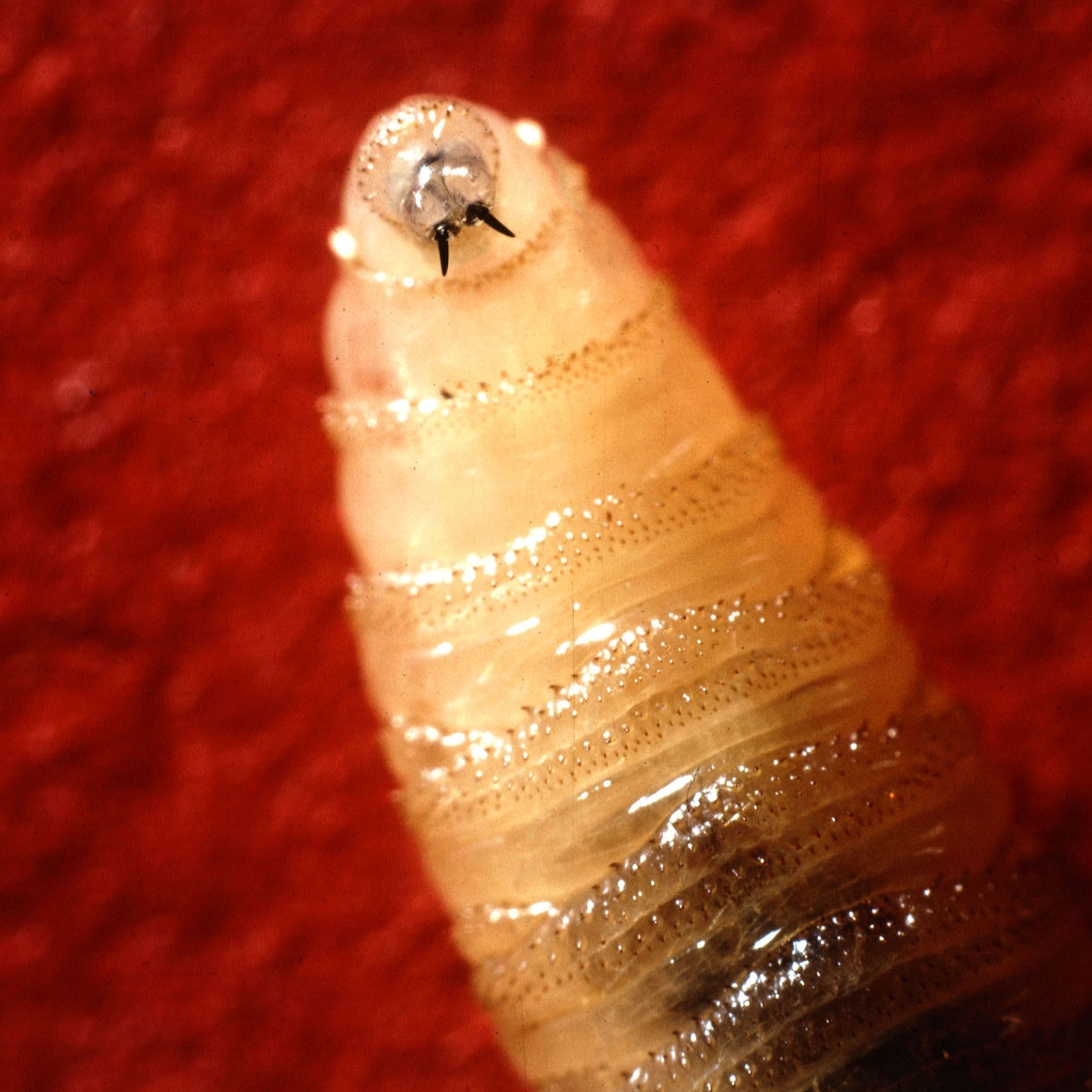
The commission describes screwworms as the larvae of flies that tunnel into living flesh and eat it. Adult flies deposit eggs on wounds or in body openings, and an infestation can seriously injure or kill animals and people alike, whether livestock, pets or wildlife. State and federal agencies are monitoring for the pest and releasing sterilized flies in an attempt to control it.
Officials ask owners of livestock and pets to inspect animals carefully and quickly report odd-looking wounds or any larvae. Suspected livestock or pet cases go to the Texas Animal Health Commission at 800-550-8242, and suspected wildlife cases go to Texas Parks and Wildlife at 512-389-4505. Orders and the zone map are posted at tahc.texas.gov/emergency/nws.html.
No Comments